
Car Fascia Repair for Athens & Atlanta, GA
Looking for car fascia repair in the Athens or Atlanta area? EZ Auto Spa specializes in professional automotive paint and body restoration services that bring your vehicle’s front end back to showroom condition. Whether you’re dealing with scratches, cracks, or impact damage on your bumper fascia, our experienced technicians deliver the precision repair work that luxury and high-value vehicles demand. We understand that your car’s fascia is more than just a cosmetic component, it’s a critical part of your vehicle’s appearance, aerodynamics, and resale value. That’s why vehicle owners throughout North Georgia trust us to handle even the most challenging fascia repairs with expertise and attention to detail. From minor scuffs to significant collision damage, we have the tools, techniques, and experience to restore your fascia to factory-grade quality.
What Is a Car Fascia and Why Does It Matter?
Your car’s fascia, commonly called the front bumper cover, is the visible, outer shell that gives your vehicle’s front end its distinctive shape and appearance. Unlike the structural bumper reinforcement hidden behind it, the fascia is typically made from flexible plastic materials like polypropylene, thermoplastic olefin (TPO), or polyurethane. It’s engineered to absorb minor impacts, house sensors and cameras for advanced driver assistance systems, direct airflow for cooling, and present the aesthetic face of your vehicle.
For luxury and premium vehicles, the fascia represents a significant investment. OEM fascias for high-end brands can cost anywhere from $500 to over $2,000 for the part alone, not including paint, labor, or recalibration of integrated technology. That’s why professional fascia repair makes such practical sense. When damage is repairable, you’re preserving the original factory component with its precise fitment, factory paint codes, and integrated technology mounting points.
The fascia also plays a functional role beyond appearance. Modern designs incorporate active grille shutters, parking sensors, radar units, and camera systems. Damage that goes unaddressed can compromise these features or lead to water intrusion, sensor misalignment, or structural weakness that worsens over time. Georgia’s climate, hot summers, occasional ice storms, and road debris from frequent construction, makes fascia damage a common reality for vehicle owners in the Athens and Atlanta areas.
Common Types of Fascia Damage on Luxury and High-Value Vehicles
Understanding the type of damage your fascia has sustained helps you make informed decisions about repair. Here are the most common issues we see at our North Georgia location.
Cracks and Stress Fractures
Cracks typically result from impacts, parking lot mishaps, curb strikes, or road debris, but they can also develop from age and UV exposure. Plastic fascias become more brittle over time, especially in Georgia’s intense summer sun. Stress fractures often radiate outward from mounting points or flex zones, and they’ll continue to spread if left unrepaired. You might notice these starting as hairline splits that grow wider with temperature changes or normal flexing during driving.
Luxury vehicles with large, complex fascias (think BMW M-Sport front ends or the intricate lower grilles on Audis) are particularly vulnerable because of their size and the stress placed on mounting tabs. Professional repair involves reinforcing the crack from behind with specialized adhesives and flexible fillers, then refinishing the surface so the repair is invisible.
Scratches and Scuff Marks
Scratches and scuffs are perhaps the most frequent fascia damage. A tight parking space, a shopping cart, a low curb, any of these can leave your fascia marked up. Surface scratches that haven’t penetrated the paint can sometimes be polished out, but deeper gouges require filling, sanding, and repainting. Paint transfer from another vehicle (those telltale streaks of someone else’s bumper color) is surprisingly common and requires careful paint removal without damaging your original finish.
For premium and luxury vehicles with multi-stage or tri-coat paint, metallics, pearls, or specialty finishes, color matching becomes critical. Off-the-shelf touch-up kits won’t cut it. Professional color matching using your vehicle’s specific paint code and blending techniques ensures the repair is undetectable.
Dents and Impact Damage
Dents in a plastic fascia behave differently than metal body panels. Because fascia material is flexible, some minor dents can be carefully heated and reshaped. But, harder impacts can create compound damage: a dent combined with cracking, paint chipping, and underlying bracket damage. We’ve also seen cases where the fascia looks fine from the outside, but mounting tabs or reinforcement structures behind it are broken, leading to sagging or misalignment.
Impact damage assessment is crucial. Sometimes what appears to be a simple dent actually involves structural damage that requires more extensive repair or replacement. That’s why a thorough inspection by experienced technicians matters, especially for vehicles with integrated sensors or cameras that need recalibration after any front-end work.
Professional Fascia Repair vs. DIY: What Vehicle Owners Need to Know
YouTube tutorials and DIY repair kits make fascia repair look straightforward. In reality, there’s a significant gap between amateur patches and professional-grade repairs that hold up over time and maintain your vehicle’s value.
DIY approaches typically involve plastic welding kits, epoxy fillers, or adhesive tapes. While these might provide a temporary fix for minor damage, they rarely address underlying issues or deliver a finish that blends seamlessly with the surrounding area. Color matching is particularly challenging, premium automotive paints require specific mixing ratios, application techniques, and clear coat systems that aren’t replicated by rattle cans. We’ve seen plenty of DIY repairs where the fix is more noticeable than the original damage, or where a poorly executed repair actually reduced the vehicle’s resale value.
Professional fascia repair brings several advantages you can’t replicate at home. We have access to OEM paint codes and computerized color matching systems that account for paint fade and variations. Our repair materials are designed specifically for automotive use, with flexibility that matches the fascia’s original properties, crucial for a repair that won’t crack or separate over time. We also understand the structural aspects: how to properly reinforce cracks, when mounting tabs can be repaired versus needing replacement, and how to ensure sensor and camera housings remain properly aligned.
For luxury and high-value vehicles, there’s another consideration: warranty and insurance implications. Poor-quality repairs can complicate future claims or reduce your vehicle’s documented value. Professional shops provide documentation, warranties on workmanship, and repairs that meet industry standards, factors that matter if you’re maintaining a vehicle worth $50,000 or more.
The time investment is substantial too. What seems like a weekend project often stretches into multiple sessions as paint cures, materials are reordered, or problems emerge. Professional repair typically takes a few days, depending on damage severity, and delivers results you can trust immediately.
The Professional Fascia Repair Process
Understanding what happens during professional fascia repair helps you appreciate the craftsmanship involved and sets realistic expectations for timeline and results.
Damage Assessment and Preparation
Every quality repair begins with thorough assessment. We remove the fascia from the vehicle (when necessary) to inspect both the visible damage and the hidden mounting points, brackets, and reinforcement structures. This reveals whether damage extends beyond what’s visible, cracked tabs, stressed mounting points, or damaged sensor housings that need attention.
We photograph the damage and document our findings. For insurance claims, this documentation is essential. For your records, it provides transparency about exactly what needs repair. We also test-fit the fascia to check for alignment issues that might indicate frame damage or other collision-related problems that weren’t immediately obvious.
Preparation involves cleaning, degreasing, and sometimes sanding the damaged area to create proper adhesion surfaces. Any paint, wax, or contaminants must be completely removed or repair materials won’t bond correctly. This prep work is tedious but critical, shortcuts here lead to repairs that fail months down the road.
Repair Techniques for Different Materials
Fascia repair techniques vary based on the material and damage type. For cracks, we use specialized plastic welding or adhesive systems designed for automotive plastics. These create molecular bonds that are often stronger than the original material. We reinforce from behind whenever possible, adding structural support that prevents the crack from re-opening.
Dents might be addressed through careful heat application and reshaping, using tools that apply even pressure without creating new stress points. For deeper damage, we use flexible fillers that move with the fascia rather than creating rigid patches that crack. These fillers are applied in layers, each sanded smooth before the next application.
Some repairs require fabricating or bonding in reinforcement pieces, essentially rebuilding sections of the fascia. For mounting tab repairs, we use specialized techniques that restore the tab’s strength and ensure it won’t snap off during installation. This is particularly important for vehicles where fascia removal and reinstallation is complex due to integrated technology.
Color Matching and Finishing
Color matching separates mediocre repairs from excellent ones. We start with your vehicle’s paint code, then use computerized spectrophotometry to account for fade, sun exposure, and batch variations. Premium paints often have multiple layers, base color, metallic or pearl effects, and clear coat, each requiring precise application.
Paint application happens in a controlled environment to prevent contamination from dust, humidity, or temperature fluctuations. We apply primer (if needed for adhesion and corrosion resistance), base coat, and clear coat in carefully timed layers. Blending techniques ensure the repair transitions seamlessly into the surrounding area, you shouldn’t be able to see where the repair ends and original paint begins.
Final finishing includes color sanding and polishing to match the factory gloss level. The fascia is then reinstalled with careful attention to gaps, alignment, and sensor calibration. For vehicles with ADAS features, we verify that cameras and radar units are properly aimed and functioning, a step that’s not optional on modern luxury vehicles.
How Fascia Repair Protects Your Vehicle’s Value
Your vehicle’s resale value depends heavily on its appearance and documented care history. Fascia damage, even seemingly minor issues, can significantly impact what buyers are willing to pay, particularly in the luxury and premium vehicle market where condition expectations are high.
Buyers scrutinize the front end carefully because it’s one of the most visible areas and often indicates how the vehicle was treated. Unrepaired scratches, cracks, or misaligned fascias raise red flags about deferred maintenance or unreported accidents. Even if the damage is disclosed, buyers typically negotiate prices down more aggressively than the repair would have cost. We’ve seen vehicles lose $1,500-$3,000 in value over fascia damage that could have been professionally repaired for $500-$800.
Professional repair documentation also matters. When you sell or trade your vehicle, being able to show receipts for professional fascia repair demonstrates that you addressed issues properly rather than ignoring them or attempting amateur fixes. This builds buyer confidence, especially for certified pre-owned purchases where appearance standards are strict.
Beyond resale value, proper fascia repair prevents progressive damage. Small cracks grow. Water intrusion behind damaged fascias can lead to rust on metal mounting points, electrical issues with sensors, or mold in foam impact absorbers. Addressing damage promptly saves money by preventing these secondary problems.
For leased vehicles, fascia condition directly affects your lease-end charges. Minor damage that falls within normal wear and tear becomes a costly charge-back if it worsens or if poor repairs make the damage more obvious. Professional repair before lease return typically costs less than dealer-assessed penalties.
When to Repair vs. Replace Your Car Fascia
Not every damaged fascia can, or should, be repaired. Understanding when replacement is the better option helps you make cost-effective decisions.
Repair makes sense when damage is localized and hasn’t compromised the fascia’s structural integrity. Surface scratches, small cracks (under 6 inches), isolated dents, and scuff marks are typically excellent repair candidates. If the mounting tabs are intact and the overall shape hasn’t been distorted, repair usually delivers results indistinguishable from replacement at a fraction of the cost.
Replacement becomes necessary when damage is extensive, multiple large cracks, severe impact distortion, or widespread stress fractures throughout the fascia. If more than 40-50% of the fascia surface needs repair work, replacement often makes more economic sense. Severely damaged mounting tabs or integrated components (like built-in fog light housings) that can’t be properly repaired also push toward replacement.
Age and condition of the existing fascia matter too. If your fascia is already faded, brittle, or showing wear in multiple areas, repairing one damaged section might not be worthwhile. Similarly, if previous repairs were poorly done and are now failing, starting fresh with a replacement fascia might be the cleaner solution.
Cost comparison should include all factors. OEM replacement fascias for luxury vehicles are expensive, often $800-$2,000 for the part, plus paint matching ($400-$800), labor for removal/installation ($200-$400), and potential sensor recalibration ($100-$300). A quality repair might run $400-$900 depending on damage severity, saving thousands while preserving your original factory component.
Insurance considerations also influence the decision. If you’re filing a claim, your adjuster and repair shop will determine whether repair or replacement is appropriate based on industry standards and cost-effectiveness. Sometimes the insurance assessment pushes toward replacement even when repair would be possible, simply because the cost difference isn’t significant enough to justify the repair gamble.
We provide honest assessments about repairability. Our goal isn’t to upsell replacement when repair will deliver excellent results, but we also won’t recommend repairs that won’t hold up or won’t meet your quality expectations. Your vehicle’s value, your budget, and the long-term durability of the solution all factor into our recommendations.
Choosing the Right Fascia Repair Service for Your Premium Vehicle
Not all body shops are equipped to handle fascia repair on luxury and high-value vehicles. The quality of work varies dramatically, and choosing the wrong shop can result in subpar repairs that cost more to fix than doing it right the first time.
Look for experience with your specific vehicle type. Luxury brands often use specialized materials, unique paint formulations, and integrated technology that requires specific knowledge. A shop that primarily works on standard vehicles might not understand the nuances of repairing a Mercedes AMG fascia with active air management systems or a Tesla with integrated sensors and cameras.
EZ Auto Spa brings specialized expertise to every fascia repair project. We work with all makes and models, including the luxury and premium vehicles that North Georgia drivers trust us with daily. Our technicians understand the specific requirements of high-end finishes, complex fascia designs, and integrated technology systems. We’ve invested in the equipment needed for professional results: paint mixing systems that deliver OEM-quality color matches, controlled environment work areas, and the specialized tools required for proper fascia repair.
Our location serves both Athens and Metro Atlanta, making us convenient for vehicle owners throughout North Georgia. We understand the local conditions, the road salt used during occasional winter weather, the UV intensity that affects paint and plastic, and the types of damage common to Georgia drivers. This local knowledge informs our repair approaches and our recommendations for protecting your vehicle going forward.
We also understand that your time matters. Our process is efficient without cutting corners. We provide realistic timelines, communicate clearly about what we find during assessment, and deliver your vehicle when promised with repairs that meet the exacting standards you expect for a premium vehicle.
Quality materials are non-negotiable in our shop. We use professional-grade repair products designed specifically for automotive applications, not consumer-level alternatives. Our paint systems are matched to factory specifications, and our repair materials are selected for long-term durability and flexibility that matches your fascia’s original properties.
Transparency matters too. We explain what we’re doing, why specific approaches are necessary, and what you can expect for results. We document our work, provide warranties on our repairs, and stand behind the quality we deliver. For a vehicle that represents a significant investment, you deserve a repair partner who treats your car with the same care you do.
Frequently Asked Questions
What is a car fascia and why does it need repair?
A car fascia is the visible front bumper cover made from flexible plastic materials like polypropylene or polyurethane. It needs repair when damaged by impacts, scratches, or cracks to maintain your vehicle’s appearance, functionality, and resale value.
How much does professional car fascia repair cost compared to replacement?
Professional fascia repair typically costs $400–$900 depending on damage severity, while replacement can run $1,500–$3,500 including the part, paint matching, labor, and sensor recalibration. Repair saves thousands when damage is localized.
Can scratches and cracks in a car fascia be permanently repaired?
Yes, professional repair uses specialized plastic welding and flexible fillers that create molecular bonds often stronger than the original material. Proper reinforcement from behind and precision color matching makes repairs virtually invisible and long-lasting.
How long does car fascia repair take at a professional shop?
Professional fascia repair typically takes a few days depending on damage severity. The process includes assessment, structural repair, color matching, paint curing, and reinstallation with proper sensor calibration for vehicles with advanced driver assistance systems.
Will a damaged car fascia affect my vehicle’s resale value?
Yes, unrepaired fascia damage can reduce resale value by $1,500–$3,000, as buyers view it as a red flag for deferred maintenance. Professional repair with documentation protects your vehicle’s value and builds buyer confidence.
Do I need to replace my car fascia or can it be repaired?
Repair is ideal for localized damage like small cracks, dents, and scratches when mounting tabs remain intact. Replacement is necessary when damage exceeds 40–50% of the surface, mounting tabs are severely damaged, or structural integrity is compromised.
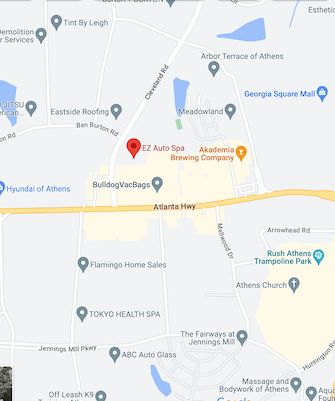
Serving Atlanta + Athens
EZ Auto Spa has two locations conveniently located to serve the Metro Atlanta & Metro Athens area. We serve a wide geographic area and can work with your schedule to make your service happen.
Open Weekdays from
8:30-5:00
Call to ask any question
706-971-7867
EZ Auto Spa Duluth
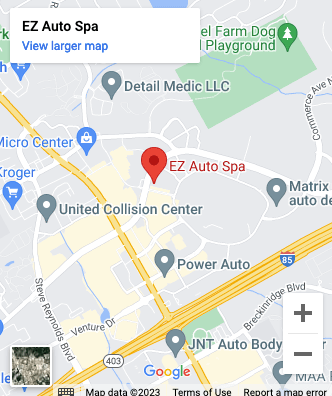
3492 Satellite Blvd #120 Duluth, GA 30096


