
Car Chip Protection for Athens & Atlanta, GA
Looking for car chip protection in the Athens or Atlanta area? EZ Auto Spa specializes in paint protection film and ceramic coatings that shield your vehicle from road debris, rock chips, and everyday hazards. With years of experience protecting luxury and high-value vehicles throughout North Georgia, we understand what it takes to keep your car’s finish looking showroom-fresh. Whether you’re driving a brand-new Tesla, a classic BMW, or any premium vehicle you’re proud of, our expert team delivers the professional-grade protection your investment deserves. You’ve worked hard for your vehicle, now let’s make sure it stays protected from the moment you drive off our lot.
What Is Car Chip Protection?
Car chip protection refers to specialized coatings and films applied to your vehicle’s painted surfaces to prevent damage from rock chips, road debris, bug acids, bird droppings, and other environmental hazards. This category falls primarily under paint protection film (PPF) applications, though ceramic coatings also play a supporting role in comprehensive chip defense strategies.
Think of chip protection as an invisible shield that absorbs impacts your paint would otherwise suffer. When a rock kicks up from the highway or gravel pelts your hood on a backroad, quality chip protection takes the hit instead of your factory finish. The result? Your paint stays intact, your vehicle maintains its value, and you avoid costly touch-ups down the road.
At EZ Auto Spa, we specialize in both PPF installations and ceramic coating applications, often combining them for maximum protection. Paint protection film provides the physical barrier against chips and scratches, while ceramic coatings add chemical resistance and make maintenance easier. Together, they form a complete defense system for your vehicle’s exterior.
For Athens and Atlanta drivers navigating I-85, Georgia 316, and the Perimeter, chip protection isn’t just nice to have, it’s essential. Our roads see heavy truck traffic, construction zones, and weather conditions that constantly threaten your paint. Professional chip protection addresses these specific regional challenges head-on.
Why Paint Chips Are a Serious Threat to Luxury Vehicles
Paint chips might seem minor at first glance, but they’re one of the most damaging issues luxury vehicle owners face. Once that protective paint layer is compromised, you’re looking at exposed metal, potential rust formation, and diminished resale value, all from something that started as a tiny rock impact.
Here’s what makes chips particularly problematic for high-value vehicles:
Exposed metal oxidizes quickly. Georgia’s humidity accelerates rust formation once bare metal is exposed. What begins as a small chip can spread under the surrounding paint, creating a much larger repair area.
Factory paint is expensive to match and repair. Modern automotive paints, especially those on luxury brands, use complex multi-stage application processes. Properly matching and blending these finishes costs significantly more than preventing chips in the first place.
Resale impact is substantial. Buyers scrutinize paint condition closely. Multiple chips, especially on high-visibility areas like the hood and front bumper, signal poor maintenance and justify lower offers. Even if you plan to keep your vehicle long-term, protecting your equity makes financial sense.
Chips compound over time. Each season brings new opportunities for damage. The vehicle that looks pristine in year one can show dozens of chips by year three without proper protection. Once you’ve accumulated significant damage, your only option is expensive repainting.
For owners of Mercedes, BMW, Audi, Porsche, Tesla, and other premium vehicles in the Athens and Atlanta markets, paint chips represent a direct threat to your investment. These aren’t daily drivers with disposable finishes, they’re vehicles where every detail matters.
Types of Car Chip Protection Solutions
Not all chip protection is created equal. Understanding your options helps you choose the right solution for your vehicle, budget, and protection goals. At EZ Auto Spa, we offer the full range of professional-grade chip protection solutions.
Paint Protection Film (PPF)
Paint protection film is the gold standard for chip protection. This clear, thermoplastic urethane film installs directly over your vehicle’s paint, creating a durable barrier that absorbs impacts and resists scratches. Modern PPF is virtually invisible when professionally installed, maintains clarity over time, and even features self-healing properties that allow minor scratches to disappear with heat.
We use premium PPF products designed specifically for automotive applications. These films are optically clear, won’t yellow or peel, and come with manufacturer warranties that back up their performance. PPF installation requires specialized training and equipment, this isn’t something you can replicate at home with a roll of vinyl.
PPF excels at preventing chips on high-impact areas: front bumpers, hoods, fenders, mirrors, door edges, rocker panels, and rear bumper sections. You can protect your entire vehicle or focus on vulnerable zones based on your driving patterns and budget.
Ceramic Coatings
Ceramic coatings provide chemical protection and hydrophobic properties that complement physical chip protection. While ceramic coatings alone won’t stop rock impacts the way PPF does, they create a hard, glass-like surface that resists minor abrasions, repels contaminants, and makes your vehicle easier to clean.
We often recommend ceramic coatings applied over PPF for the ultimate protection package. The coating bonds to the film, enhancing its durability and gloss while providing additional defense against environmental contaminants that can etch or stain even protected surfaces.
Ceramic coatings work particularly well for Athens and Atlanta vehicles because they resist the pollen, tree sap, bird droppings, and road grime that plague North Georgia cars. The hydrophobic effect means water sheets off your vehicle, carrying dirt with it and reducing how often you need full washes.
Traditional Clear Bra Applications
The term “clear bra” originally referred to early PPF installations focused on front-end protection. While the technology has evolved dramatically, many customers still use this terminology. Today’s clear bra applications use the same advanced PPF materials we mentioned earlier, applied to the vehicle’s front fascia, hood, fenders, and mirrors, the classic high-impact zone.
Clear bra installations remain popular for owners who want solid chip protection without the investment of full-body PPF. This targeted approach delivers excellent value, protecting the areas most likely to sustain damage while keeping costs reasonable.
At EZ Auto Spa, we customize every clear bra installation to your vehicle’s specific design and your driving needs. We can extend coverage to include headlights, fog lights, door cups, and other vulnerable areas based on your priorities.
Benefits of Professional Chip Protection for High-Value Vehicles
Investing in professional chip protection delivers returns that extend far beyond aesthetics. For owners of luxury and high-value vehicles, these benefits directly impact both enjoyment and long-term value.
Protection is invisible but invaluable. Quality chip protection doesn’t change your vehicle’s appearance, it preserves it. You still get the factory finish you paid for, just with a shield that keeps it looking new season after season.
Drive with confidence. Stop worrying about every highway trip or gravel driveway. With proper chip protection, you can actually use and enjoy your vehicle without constant anxiety about paint damage.
Warranty-backed peace of mind. Professional installations from shops like EZ Auto Spa come with manufacturer warranties covering defects, yellowing, and peeling. You’re not just buying protection, you’re buying guaranteed performance.
Easier maintenance. Protected surfaces clean more easily and stay cleaner longer. Contaminants don’t bond to PPF or ceramic coatings the way they adhere to bare paint, making your regular car care routine faster and more effective.
Preserving Resale Value
Resale value preservation is perhaps the most compelling financial argument for chip protection. When you’re ready to sell or trade your luxury vehicle, paint condition significantly influences what buyers will pay.
Consider this scenario: Two identical three-year-old vehicles are on the market. One has dozens of chips across the hood, bumper, and fenders, visible damage that signals hard use and deferred maintenance. The other shows pristine paint with no chips or blemishes. Which commands a premium price?
Professional appraisers and savvy buyers recognize the difference immediately. Protected vehicles demonstrate owner care and attention to detail. They photograph better in listings, show better in person, and justify higher asking prices. The protection investment you make today often returns multiples when you sell.
For limited-production vehicles, collector cars, or any automobile where condition directly affects collectibility, chip protection isn’t optional, it’s essential preservation.
Long-Term Cost Savings
Let’s talk numbers. Professional PPF installation for high-impact areas typically costs a fraction of what you’d pay for quality paintwork to repair years of accumulated chips. Full hood repaints on luxury vehicles easily run $1,500–$3,000 or more, depending on the complexity of the paint system.
Multiply that across multiple body panels over years of ownership, and you’re looking at repair costs that dwarf the one-time investment in protection. Even if you never plan to sell, avoiding these repairs keeps more money in your pocket while maintaining the vehicle you love.
Georgia’s climate adds another cost consideration. Our combination of summer heat, humidity, seasonal pollen, and winter road treatments creates an aggressive environment for automotive finishes. Unprotected paint degrades faster here than in milder climates, making protection even more cost-effective for Athens and Atlanta vehicle owners.
Which Areas of Your Car Need Chip Protection Most?
Strategic chip protection focuses on the areas most vulnerable to road debris and impact damage. Understanding these zones helps you make informed decisions about coverage.
Front bumper and fascia: This is ground zero for chip damage. Your front bumper takes the brunt of kicked-up rocks, gravel, and road debris. For vehicles with low front spoilers or aggressive aerodynamics, protection here is absolutely critical.
Hood: The hood receives constant bombardment from debris thrown by vehicles ahead of you. Leading-edge damage appears first, but chips can occur across the entire surface, especially during highway driving.
Fenders: Front fenders extend forward where they’re exposed to side-angle debris. They’re particularly vulnerable during lane changes and passing maneuvers.
Side mirrors: Mirrors project outward into the debris field. They’re expensive to refinish and show damage prominently, making them excellent candidates for protection.
Rocker panels: The area below your doors takes hits from road spray, parking lot gravel, and debris kicked up by your own tires. Rocker protection pays dividends for vehicles you plan to keep long-term.
Door edges and handles: These high-touch areas sustain damage from rings, keys, fingernails, and contact with adjacent vehicles or objects. Protection here prevents frustrating damage from everyday use.
Rear bumper sections: The area behind the rear wheels and around the license plate receives splatter from road debris and damage from loading/unloading cargo.
A-pillars and roof edges (for SUVs and trucks): Taller vehicles experience different debris patterns, with roof-edge protection becoming more valuable.
At EZ Auto Spa, we assess your specific vehicle design, how you use it, and where you drive to recommend coverage that delivers maximum value. A daily highway commuter needs different protection than a weekend enthusiast car. We tailor our recommendations to your situation, never pushing unnecessary coverage.
For North Georgia driving conditions, think I-85 truck traffic, unpaved driveways in Athens suburbs, construction zones around Atlanta, and gravel parking at Chateau Elan or North Georgia wineries, comprehensive front-end protection offers the best return on investment. You can always expand coverage later, but protecting high-impact zones from day one prevents damage you can’t undo.
Professional Application vs. DIY: Why Expertise Matters
We occasionally hear from customers who considered DIY chip protection before contacting us. While we appreciate the hands-on spirit, paint protection film installation is emphatically not a DIY-friendly project. Here’s why professional application is worth every dollar.
Film quality makes all the difference. Consumer-grade PPF products (when you can even find them) don’t match the optical clarity, durability, or self-healing properties of professional films. We source materials designed for certified installers, not general consumers.
Pattern precision is critical. Professional shops use computerized cutting systems with patterns for thousands of vehicle makes and models. These patterns account for every curve, contour, and body line. Hand-cutting film results in visible edges, inadequate coverage, and premature failure.
Surface preparation is a science. Paint must be decontaminated, polished, and prepared to specific standards before film application. Skip these steps, or execute them improperly, and you’ll trap contaminants under the film or create adhesion failures.
Installation technique requires training. Applying PPF without bubbles, wrinkles, or contamination takes practice and proper technique. Our installers have completed manufacturer certification and have years of hands-on experience. They know how to work film around complex curves, tight radii, and challenging body lines.
Warranty protection requires professional installation. Manufacturer warranties covering yellowing, peeling, and defects apply only to installations performed by certified professionals. DIY installations void these warranties, leaving you without recourse if problems develop.
Tools and environment matter. Professional shops maintain climate-controlled bays, use specialized squeegees and application fluids, and have infrared heaters for proper film activation. Your garage doesn’t offer these conditions.
At EZ Auto Spa, we’ve seen too many failed DIY attempts that required complete removal and professional reinstallation. What seemed like a cost-saving measure became far more expensive once customers factored in wasted materials, time, and the professional correction needed.
For luxury vehicle owners who’ve invested five figures or more in their automobiles, entrusting protection to trained professionals just makes sense. You wouldn’t attempt to repaint your Mercedes in the driveway, chip protection deserves the same respect.
Maintaining Your Chip Protection Investment
Professional chip protection is remarkably low-maintenance, but a few best practices keep it performing optimally for years.
Regular washing removes contaminants. Wash your protected vehicle every two weeks using pH-neutral car wash soap. Bug splatter, bird droppings, and tree sap should be removed promptly, while PPF protects against these, letting them bake onto the film under Georgia sun isn’t ideal.
Avoid automatic brush washes. Those spinning brushes accumulate dirt and debris that can scratch even protected surfaces. Stick with touchless washes or hand washing for best results.
Use proper drying techniques. Microfiber drying towels work beautifully on PPF and ceramic coatings. The hydrophobic properties mean water sheets off easily, making drying faster.
Don’t apply waxes to PPF. Traditional waxes can create buildup along film edges and don’t bond properly to PPF or ceramic coatings. If you want additional gloss or protection, contact us about ceramic coating options specifically designed for use over PPF.
Address damage promptly. While PPF is self-healing for minor scratches, significant damage should be evaluated. We can assess whether a damaged section needs replacement or if the film can be repaired.
Annual inspections catch issues early. Stop by EZ Auto Spa for an annual inspection of your chip protection. We’ll check film edges, assess the coating condition, and recommend any maintenance needed to keep your protection performing optimally.
Park strategically when possible. While you can’t always control your environment, parking away from high-traffic areas reduces exposure to door dings, shopping carts, and other hazards chip protection isn’t designed to prevent.
One of chip protection’s best features is what you don’t have to do. No special treatments, no monthly applications, no complicated maintenance routines. Just normal washing and sensible care keep your protection working year after year.
Frequently Asked Questions
What is car chip protection and how does it work?
Car chip protection refers to specialized coatings and films applied to vehicle paint to prevent damage from rock chips, road debris, and environmental hazards. It acts as an invisible shield that absorbs impacts, protecting your factory finish from costly damage and preserving resale value.
Is paint protection film better than ceramic coating for preventing chips?
Paint protection film is superior for chip prevention as it provides a physical barrier that absorbs rock impacts. Ceramic coatings offer chemical resistance and hydrophobic properties but won’t stop physical impacts. Many owners combine both for comprehensive car chip protection and easier maintenance.
How much does professional car chip protection typically cost?
Professional paint protection film for high-impact areas costs significantly less than repairing chip damage later. Hood repaints on luxury vehicles run $1,500–$3,000 or more, making one-time chip protection a cost-effective investment that preserves paint and resale value long-term.
Which areas of my vehicle need chip protection the most?
The front bumper, hood, fenders, and side mirrors require the most car chip protection as they face constant bombardment from road debris. These high-impact zones are particularly vulnerable during highway driving and should be prioritized for paint protection film coverage.
Can I install paint protection film myself or should I hire professionals?
Professional installation is essential for proper car chip protection. DIY attempts often fail due to inferior materials, lack of precision patterns, improper surface preparation, and missing specialized tools. Professional installation also includes manufacturer warranties that DIY applications void completely.
How long does paint protection film last on a vehicle?
Quality paint protection film typically lasts 5–10 years when professionally installed and properly maintained. Premium films resist yellowing, feature self-healing properties for minor scratches, and come with manufacturer warranties. Longevity depends on environmental conditions, maintenance, and film quality used for installation.
Serving Atlanta + Athens
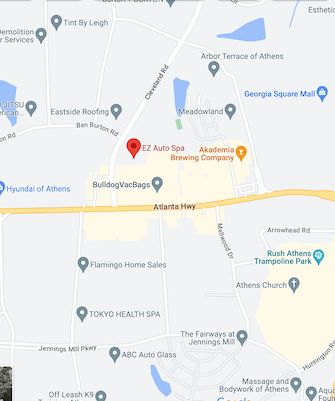
EZ Auto Spa has two locations conveniently located to serve the Metro Atlanta & Metro Athens area. We serve a wide geographic area and can work with your schedule to make your service happen.
Open Weekdays from
8:30-5:00
Call to ask any question
706-971-7867
EZ Auto Spa Duluth
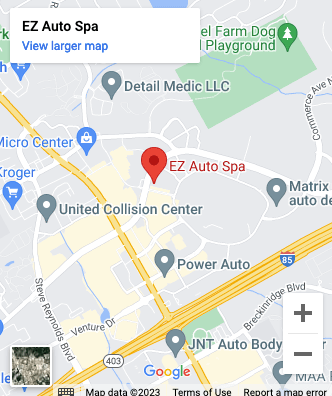
3492 Satellite Blvd #120 Duluth, GA 30096


