
Alloy Wheel Repair for Athens & Atlanta, GA
Looking for alloy wheel repair in the Athens or Atlanta area? EZ Auto Spa specializes in professional automotive detailing and restoration services that bring damaged wheels back to showroom condition. When you’ve invested in a premium vehicle, curb rash, scrapes, and corrosion on your alloy wheels don’t just look bad, they affect your car’s value and overall appearance. As a trusted local provider serving North Georgia, we understand that your wheels are a critical part of your vehicle’s aesthetic and performance. Our expertise in alloy wheel repair means you get precise color matching, smooth finishes, and results that make those expensive wheels look factory-fresh again. Whether you’re driving a luxury sedan through Buckhead or maintaining a high-performance vehicle in Athens, damaged alloy wheels deserve professional attention.
Understanding Alloy Wheel Damage
Alloy wheels are both functional and aesthetic components of your vehicle. Made from aluminum or magnesium alloys, they’re lighter than traditional steel wheels and offer better heat dissipation and handling characteristics. But they’re also more susceptible to cosmetic damage that can compromise both appearance and structural integrity.
Common Types of Wheel Damage
Curb rash is the most frequent form of alloy wheel damage we see in Athens and Atlanta. It happens when your wheel makes contact with a curb, parking barrier, or road debris, leaving scrapes, gouges, and scratches along the wheel’s outer edge or face. Depending on the impact angle and force, curb rash can range from minor surface scratches to deep gouges that expose bare metal.
Corrosion and oxidation develop over time, especially in Georgia’s humid climate. Salt from winter road treatments accelerates this process. You’ll notice white or gray spots forming on the wheel surface, sometimes spreading beneath the clear coat. Left untreated, corrosion weakens the protective finish and makes wheels look aged and neglected.
Bend damage occurs when you hit a pothole or road hazard hard enough to distort the wheel’s shape. While this often requires replacement, minor bends can sometimes be straightened by professionals with specialized equipment. Bent wheels cause vibration, poor tire wear, and handling issues, making this more than just a cosmetic concern.
Chips and scratches from gravel, brake dust buildup, and road debris accumulate over time. What starts as minor surface damage can worsen if moisture gets beneath the finish, leading to more extensive corrosion and finish failure.
How Damage Affects Your Vehicle’s Value and Performance
Damaged alloy wheels immediately signal neglect to potential buyers. When you’re selling or trading in a luxury or premium vehicle, buyers notice wheel condition right away. Curb-rashed wheels can reduce your vehicle’s resale value by hundreds or even thousands of dollars, far exceeding the cost of professional repair.
Beyond aesthetics, structural damage affects safety and performance. Bent or cracked wheels compromise tire seal integrity, potentially causing slow leaks or sudden tire failure. Unbalanced wheels from damage create vibration that accelerates wear on suspension components, tires, and wheel bearings.
For performance and luxury vehicles, your wheels are part of the overall design language. Damaged wheels undermine the cohesive appearance you paid for, like wearing a tailored suit with scuffed shoes. Maintaining your wheels preserves the complete aesthetic package.
Professional Alloy Wheel Repair vs. DIY Solutions
The internet is full of DIY alloy wheel repair kits promising easy fixes. While these products might work for minor touch-ups on basic wheels, they rarely deliver professional results, especially on the premium and luxury vehicles common in North Georgia.
DIY kits typically include sandpaper, filler putty, and rattle-can paint. The finish never quite matches the original, and the repair is often visible from several feet away. Color matching is the biggest challenge: alloy wheels come in countless finishes including polished, brushed, machined, painted, powder-coated, and multi-tone treatments. Hardware store spray paint can’t replicate factory finishes.
Beyond appearance, DIY repairs often fail to address underlying damage properly. Improper sanding techniques can create uneven surfaces. Inadequate prep work means repairs peel or flake within weeks. And if there’s structural damage, even hairline cracks, DIY products won’t detect or address them.
Why Professional Repair Matters for Luxury Vehicles
When you’re maintaining a BMW, Mercedes-Benz, Lexus, Porsche, Tesla, or other premium vehicle, professional alloy wheel repair isn’t optional, it’s essential to preserving your investment. Factory alloy wheels on luxury vehicles often cost $500 to $2,000 each to replace. Professional repair typically runs a fraction of that cost while delivering factory-quality results.
At EZ Auto Spa, we have the specialized equipment and expertise to handle all wheel types and finishes. We can match complex factory colors, replicate machined surfaces, and restore multi-tone designs that DIY kits can’t touch. Our process addresses both cosmetic damage and structural concerns, ensuring your wheels are safe and beautiful.
Professional repair also preserves originality. Many luxury and performance vehicle owners prefer keeping original factory wheels rather than replacing them with aftermarket alternatives. Original equipment wheels maintain authenticity and value, especially important for collectible, limited-edition, or high-performance models.
We work with all makes and models, from everyday premium vehicles to exotic supercars. Whether you’ve got OEM wheels or high-end aftermarket upgrades, we understand the specific requirements of different wheel designs and finishes.
The Alloy Wheel Repair Process
Professional alloy wheel repair is a multi-step process that requires specialized knowledge, equipment, and attention to detail. Understanding what happens during repair helps you appreciate the value of professional service.
Assessment and Damage Evaluation
Every repair starts with thorough assessment. We examine each wheel to identify all damage, obvious and hidden. Surface scratches and curb rash are easy to spot, but we also check for cracks, bends, structural weakness, and hidden corrosion.
For wheels with suspected bends, we perform runout testing using precision measurement tools. Even slight bends that aren’t visible can cause vibration and handling issues. We’ll let you know if straightening is possible or if replacement is the safer option.
We also evaluate the wheel’s current finish to determine the best repair approach. Some wheels have clear-coated paint, others are powder-coated, and still others feature machined or polished finishes. Each requires different repair techniques and materials.
Repair Techniques and Methods
For curb rash and gouges, we begin with careful grinding and sanding to remove damaged material and create a smooth, level surface. This step requires skill, removing enough material to eliminate damage without compromising wheel structure or creating visible depressions.
Deep gouges may require filling with specialized aluminum putty or welding, depending on severity. We use professional-grade fillers that bond properly with aluminum and won’t crack or separate over time like DIY products.
Bent wheels that can be safely repaired go through a precision straightening process using hydraulic presses and specialized fixtures. This isn’t something you can do at home, it requires professional equipment and experience to straighten wheels without creating stress points or cracks.
Corrosion removal involves stripping damaged finish, treating the underlying metal, and preparing the surface for refinishing. Left untreated, corrosion continues spreading beneath new finish, causing premature failure.
Refinishing and Color Matching
Refinishing separates professional repair from DIY attempts. We use computerized color matching systems and professional-grade paints to replicate factory finishes exactly. Whether your wheels are silver, gunmetal, anthracite, bronze, black, or custom colors, we’ll match them precisely.
For painted wheels, we apply multiple coats followed by clear coat protection, just like the factory process. Powder-coated wheels require specialized equipment and curing ovens. Machined finishes need precision CNC cutting to replicate the original pattern and shine.
The final step is curing and quality inspection. Proper curing ensures durability, your repaired wheels will withstand Georgia weather, car washes, and daily driving without premature wear or finish failure. We inspect every wheel under proper lighting to confirm color match, finish quality, and overall appearance before returning it to you.
When to Repair vs. Replace Your Alloy Wheels
Not all damaged wheels are good candidates for repair. Understanding when to repair versus replace helps you make informed decisions about your vehicle.
Repair is ideal for cosmetic damage that doesn’t compromise structural integrity. Curb rash, surface scratches, minor gouges, early-stage corrosion, and small chips are all repairable. If the damage is limited to the wheel face or outer lip and there’s no bending or cracking, professional repair will restore factory appearance at a fraction of replacement cost.
Minor bends, typically under 2mm of runout, can often be safely straightened by professionals with proper equipment. But, this depends on where the bend is located and the wheel’s design. Some wheel designs handle straightening better than others.
Replacement becomes necessary when structural integrity is compromised. Deep cracks, severe bends, metal fatigue, extensive corrosion that’s eaten through the metal, and damage to the wheel’s mounting surface or hub area typically require replacement. Safety always comes first, we’ll never repair a wheel that could fail during driving.
Chunks of missing metal, especially from the inner barrel or spoke areas, usually can’t be safely repaired. And if a wheel has been previously poorly repaired, cracking filler, separating welds, or structural concerns, replacement is often the best option.
For luxury and performance vehicles, we’ll always be honest about whether repair makes sense. Sometimes repair costs approach replacement costs, especially if all four wheels need extensive work. In those cases, we’ll discuss your options so you can make the best decision for your vehicle and budget.
Cost Considerations for Alloy Wheel Repair
Professional alloy wheel repair costs vary based on damage extent, wheel size, finish type, and how many wheels need work. Understanding pricing helps you budget and appreciate the value compared to replacement.
Basic curb rash repair on a single wheel typically runs significantly less than replacement. Factor in that factory alloy wheels for luxury vehicles often cost $500 to $2,000 each, sometimes more for exotic or limited-production models, and repair becomes clearly cost-effective.
Multiple damaged wheels usually qualify for package pricing. Since many vehicles have curb rash on multiple wheels, repairing all four together often costs less per wheel than individual repairs.
Finish complexity affects pricing. Simple painted finishes are most straightforward to repair. Machined finishes, multi-tone designs, custom colors, and chrome or polished finishes require more specialized work and may cost more. But they’re still cheaper than replacement wheels with the same finish.
Severe damage requiring straightening, welding, or extensive reconstruction costs more than simple cosmetic repair, but still typically runs well below replacement costs. And repair preserves your original wheels rather than substituting aftermarket alternatives.
Consider the value equation: repairing all four wheels might cost roughly what you’d pay for one replacement wheel. That’s significant savings while maintaining originality and vehicle value. For lease returns or pre-sale preparation, wheel repair often returns several times its cost in improved resale or lease-end value.
Call our shop manager today for a free quote on alloy wheel repair. We’ll assess your wheels and provide transparent pricing based on actual damage, not estimates. You’ll know exactly what to expect before we begin work.
Protecting Your Wheels After Repair
Once your alloy wheels are restored to showroom condition, protecting them makes sense. While you can’t eliminate all risk, smart preventive measures keep your wheels looking great longer.
Regular cleaning prevents brake dust buildup and corrosion. Brake dust is highly corrosive, especially on performance vehicles with aggressive brake pads. Wash your wheels weekly using pH-balanced wheel cleaners formulated for alloy wheels. Avoid harsh acidic cleaners that etch the finish or automatic car washes with aggressive chemicals.
Protective coatings add a barrier against contaminants. Wheel sealants and ceramic coatings make wheels easier to clean and provide protection against brake dust, road grime, and corrosion. At EZ Auto Spa, we offer ceramic coating services that work beautifully on freshly repaired wheels, extending the life of your repair and keeping wheels looking better between washes.
Mindful parking prevents new curb rash. Most wheel damage happens during parking, especially in tight urban spaces common in Atlanta’s Midtown, Buckhead, and downtown Athens. Take your time when parking, use your mirrors and cameras, and don’t be afraid to reposition if you’re too close to the curb.
Seasonal maintenance matters in Georgia’s climate. Winter salt and summer heat both take their toll on wheels. Consider more frequent washing during winter months if you encounter salted roads. Inspect wheels regularly for early signs of corrosion or finish damage, catching problems early makes repair easier and less expensive.
Professional detailing helps maintain wheels between repairs. Regular detailing removes embedded contaminants before they cause permanent damage. We understand Georgia’s specific climate challenges, from pollen in spring to humidity year-round, and can recommend maintenance schedules that keep your wheels protected.
Frequently Asked Questions
How much does alloy wheel repair cost compared to replacement?
Professional alloy wheel repair typically costs a fraction of replacement. Factory alloy wheels for luxury vehicles often cost $500 to $2,000 each, while repairing curb rash and cosmetic damage is significantly less expensive, making repair highly cost-effective.
Can curb rash on alloy wheels be repaired professionally?
Yes, curb rash is the most common type of alloy wheel damage and is highly repairable. Professional repair involves grinding, filling, refinishing, and precise color matching to restore wheels to factory-fresh condition without visible repair marks.
How long does professional alloy wheel repair take?
Most professional alloy wheel repairs take 1 to 3 days depending on damage severity and the number of wheels being repaired. Complex finishes like machined or multi-tone designs may require additional time for proper refinishing and curing.
What causes white spots and corrosion on alloy wheels?
White or gray spots on alloy wheels are caused by corrosion and oxidation, which develop from humidity, road salt, and brake dust. Georgia’s humid climate accelerates this process, especially when wheels aren’t regularly cleaned and protected.
When should alloy wheels be replaced instead of repaired?
Replacement is necessary when structural integrity is compromised by deep cracks, severe bends, extensive corrosion through the metal, or damage to mounting surfaces. Cosmetic damage like curb rash, minor scratches, and surface corrosion are safely repairable.
Do repaired alloy wheels lose strength or durability?
Properly repaired alloy wheels maintain their strength and durability when cosmetic damage is addressed by professionals. Repairs use specialized aluminum fillers and professional-grade finishes that bond correctly, ensuring wheels withstand daily driving and weather conditions without compromising safety.
Serving Atlanta + Athens
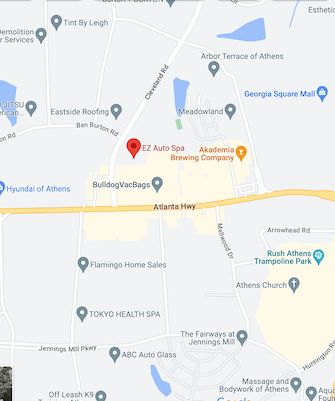
EZ Auto Spa has two locations conveniently located to serve the Metro Atlanta & Metro Athens area. We serve a wide geographic area and can work with your schedule to make your service happen.
Open Weekdays from
8:30-5:00
Call to ask any question
706-971-7867
EZ Auto Spa Duluth
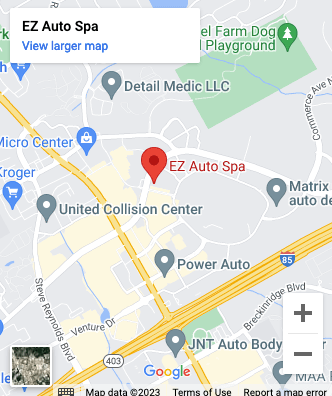
3492 Satellite Blvd #120 Duluth, GA 30096
