
Hood Protection Film for Athens & Atlanta, GA
Looking for hood protection film in the Athens or Atlanta area? EZ Auto Spa specializes in paint protection film (PPF) installation, delivering expert coverage that keeps your vehicle’s most vulnerable surface looking showroom-fresh. We know your hood takes the brunt of everything Georgia roads throw at it, rock chips, bug splatter, and road debris that can ruin your paint in a single highway drive. That’s why we’ve built our reputation on precision installation of premium hood protection film for all makes and models, from daily drivers to luxury vehicles that demand nothing but the best.
Our shop understands what North Georgia vehicle owners face: intense summer sun, pollen storms, and highways where gravel and debris are just part of the commute. With years of experience protecting vehicles across Athens, Atlanta, and the surrounding areas, we combine factory-grade materials with installation expertise that ensures your film is invisible, durable, and backed by real results. Whether you’re safeguarding a brand-new lease, protecting your investment’s resale value, or finally giving your daily driver the armor it deserves, we’ve got you covered, literally.
What Is Hood Protection Film and How Does It Work?
Hood protection film is a specialized type of paint protection film designed to shield the front of your vehicle from damage. It’s a clear, thermoplastic urethane layer, typically 6 to 8 mils thick, that bonds to your hood’s painted surface, creating an invisible barrier against the hazards your car encounters every single day.
Think of it as a sacrificial layer. When a rock kicks up on I-85 or Highway 316, it hits the film instead of your paint. The film absorbs the impact, preventing chips, scratches, and the kind of damage that leads to rust and expensive repainting down the line. Modern PPF technology has come a long way: today’s premium films feature self-healing properties that allow minor scratches and swirl marks to disappear with heat from the sun or a warm water rinse.
The installation process involves precision cutting and application. We either use pre-cut templates specific to your vehicle’s make and model or hand-cut the film on-site for a truly custom fit. The film is carefully applied using a slip solution, then squeegeed into place to eliminate air bubbles and ensure perfect adhesion. Once cured, the film becomes virtually invisible, most people won’t even know it’s there until you tell them.
What sets hood protection film apart from full-front PPF or other coverage options is its targeted approach. Your hood is the largest horizontal surface on your vehicle and catches more debris than any vertical panel. By focusing protection here, you’re defending the area that statistically suffers the most damage, all while keeping costs reasonable compared to full-vehicle wraps.
Why Your Hood Needs Protection More Than Any Other Panel
Your hood isn’t just another body panel, it’s a magnet for everything that can damage automotive paint. Its position and angle make it the first line of contact with road hazards, environmental contaminants, and weather extremes. Let’s break down why this surface is so vulnerable.
Rock Chips and Road Debris
Every time you drive, especially on highways or construction zones around Atlanta’s ever-expanding metro, your hood is getting pelted. Gravel, stones, and debris kicked up by vehicles ahead of you hit your hood at high velocity. Even small rocks traveling at 60+ mph carry enough energy to crack paint and expose the metal underneath. Once that happens, you’re looking at potential rust, especially in Georgia’s humid climate.
The leading edge of your hood takes the worst of it. That’s where you’ll typically see the most chips clustered, right where airflow directs debris. Without protection, a single road trip can leave your hood looking like it’s been sandblasted. We’ve seen brand-new vehicles come in with dozens of chips after just a few months of commuting. Hood protection film stops this damage before it starts, absorbing impacts that would otherwise ruin your paint.
Bug Splatter and Environmental Contaminants
Georgia summers bring swarms of insects, and your hood catches every single one at speed. Bug splatter isn’t just unsightly, it’s acidic. If left on your paint for more than a day or two, those bug guts etch into the clear coat, leaving permanent stains and dull spots that no amount of polishing can fully remove.
Then there’s pollen. North Georgia is ground zero for pollen season, and that yellow dust isn’t as harmless as it looks. When combined with morning dew or rain, pollen becomes a slightly abrasive paste that can mar your finish over time. Bird droppings, tree sap, and road salt (yes, we get winter weather in the North Georgia mountains) all contribute to paint degradation.
Hood protection film creates a barrier between these contaminants and your paint. Bugs wash off easily without etching. Pollen slides off during a rinse. Even if something does stick, you’re cleaning the film, not your paint, which means less risk of creating swirl marks or dulling your finish.
Key Benefits of Installing Hood Protection Film
Investing in hood protection film delivers benefits that go far beyond just keeping your hood pretty. Let’s talk about what really matters to vehicle owners who care about their investment.
Preserving Your Vehicle’s Resale Value
A pristine hood signals to potential buyers that the vehicle has been meticulously maintained. Walk up to any used car lot and check the hoods, you’ll see chips, scratches, and faded paint on the majority of vehicles. That damage tells a story of neglect, even if the rest of the car is mechanically sound.
When your hood is protected, it stays flawless. Remove the film before selling (or leave it as a selling point, many buyers love knowing the paint underneath is perfect), and you’ve got a hood that looks like it just rolled off the showroom floor. That translates directly into higher resale or trade-in values. We’ve had customers report that dealers were impressed enough by their paint condition to bump trade-in offers by hundreds of dollars.
For lease returns, hood protection film is even more critical. Lease agreements often include clauses about excessive wear, and a chip-covered hood can trigger fees. Protect it from day one, and you’ll return the vehicle without worrying about paint-related charges.
Self-Healing Technology and Long-Term Durability
Modern premium films, the kind we install at EZ Auto Spa, feature self-healing top coats. Light scratches, swirl marks, and scuffs literally disappear when exposed to heat. Park in the Georgia sun for an afternoon, and minor imperfections vanish. You can also trigger the healing process with warm water or a heat gun.
This isn’t magic: it’s advanced polymer chemistry. The top layer of the film is engineered to return to its original smooth state when heated, effectively erasing damage that would be permanent on bare paint. It means your film continues to look new for years, not months.
Durability is another major advantage. Quality PPF is warrantied for 5 to 10 years, but in practice, properly maintained film can last even longer. It won’t yellow, crack, or peel like older generations of film. UV inhibitors protect both the film and the paint beneath it from sun damage. And because the film is chemically resistant, it shrugs off gasoline spills, car wash chemicals, and just about anything else that comes into contact with your hood.
You’re not just buying protection for today, you’re investing in years of worry-free driving. That’s peace of mind you can’t put a price on, especially if you’re driving a vehicle with a premium paint job or a custom color.
Types of Hood Protection Film: Which Option Is Right for You?
Not all hood protection film is created equal, and choosing the right type depends on your priorities, appearance, performance, and budget. Here’s what you need to know about the options available.
Standard Clear PPF is the most popular choice. It offers excellent protection while remaining virtually invisible. Modern clear films don’t have the orange-peel texture or yellowing issues that plagued earlier products. When professionally installed, you won’t even notice it’s there. This is the go-to option for vehicle owners who want protection without altering their car’s appearance.
Matte PPF is designed for vehicles with matte or satin paint finishes. If your car has a factory matte finish, think certain BMW, Audi, or custom paint jobs, you’ll need matte film to match. Applying glossy film to a matte surface would create an obvious, unattractive contrast. Matte film delivers the same protection while preserving your finish’s unique look.
Colored or tinted PPF adds a subtle aesthetic change while protecting your hood. Some films come in light tints (smoked or tinted finishes) or even colored options that can complement or subtly alter your vehicle’s appearance. These are less common for hoods but worth considering if you want a custom look combined with protection.
Thickness and quality tiers also matter. Budget films might be thinner (4-5 mils) and lack self-healing properties, while premium options are thicker (8+ mils), self-healing, and backed by stronger warranties. We exclusively install top-tier films because we’ve seen the difference firsthand. A few hundred dollars more upfront translates into years of better performance and appearance.
At EZ Auto Spa, we’ll help you choose the film that matches your vehicle, your goals, and your budget. We work with all makes and models, from Teslas and Porsches to Silverados and Camrys. Whatever you drive, we’ve got a hood protection solution that fits.
Professional Installation vs. DIY: What Luxury Vehicle Owners Should Know
You can buy hood protection film kits online and attempt installation yourself. But here’s the reality: PPF installation is a skilled trade, and the difference between a professional job and a DIY attempt is night and day.
Precision cutting and fit are critical. Pre-cut kits can work, but they’re only as good as the template data, and not all templates account for trim variations, aftermarket accessories, or minor year-to-year changes. We’ve seen plenty of kits that leave gaps, overlap edges awkwardly, or don’t align with body lines. Hand-cutting requires specialized tools and experience to ensure clean edges and seamless coverage.
Surface preparation is where most DIY jobs fail. Your hood must be perfectly clean, and we mean perfectly. Any dust, wax residue, or contaminants will be trapped under the film, creating bubbles or adhesion failures. Professional installers know how to prep surfaces, control the environment (dust-free bays make a huge difference), and use the right cleaning products that won’t interfere with adhesion.
Application technique separates pros from amateurs. Installing PPF involves working with a slip solution that allows repositioning, then carefully squeegeeing out liquid and air while stretching the film to conform to curves and contours. Too much tension, and you’ll distort the film or create stress points that fail prematurely. Too little, and you’ll have wrinkles or bubbles. It takes practice, lots of it, to get this right.
Edge sealing and finishing ensure longevity. Edges need to be properly tucked, wrapped, or sealed to prevent lifting. Pros know how to finish edges so they’re invisible and durable. DIY jobs often feature lifted corners or visible seams that catch dirt and eventually peel.
For luxury vehicle owners, the stakes are even higher. A bad PPF installation on a $60,000 BMW or a custom-painted truck isn’t just ugly, it can damage the paint during removal. Adhesive left behind, film that lifts and allows dirt underneath, or improper techniques that mar the clear coat can cost far more to fix than professional installation would’ve cost upfront.
At EZ Auto Spa, we’ve installed hood protection film on everything from brand-new Teslas to classic restorations. Our team has the training, tools, and experience to deliver flawless results every time. You’re not just paying for the film, you’re paying for expertise that protects your investment properly.
Caring for Your Hood Protection Film
Good news: once your hood protection film is installed, maintenance is straightforward. The film is designed to be tough, but a little care goes a long way in keeping it looking new and performing its best.
Wait before washing. After installation, give the film 48 to 72 hours to fully cure before washing your vehicle or exposing it to heavy rain. This allows the adhesive to bond completely and prevents premature edge lifting.
Wash regularly, but gently. Hand washing is ideal. Use a pH-neutral car shampoo (avoid harsh detergents or degreasers) and a soft microfiber mitt. Rinse thoroughly to remove dirt and debris before you start scrubbing, this prevents dragging particles across the film, which can cause scratches even with self-healing properties.
Automatic car washes are generally safe for PPF, but touchless or soft-touch options are better than old-school brush washes. Stiff bristles can catch on edges or create unnecessary wear. If you do use an automatic wash, make sure it’s a reputable facility that maintains its equipment.
Dry properly. Use a clean microfiber drying towel or a blower to remove water. Avoid letting the vehicle air-dry, as water spots can form on the film just like they would on paint.
Address contaminants quickly. Bug splatter, bird droppings, and tree sap should be cleaned off promptly. While the film protects your paint, letting acidic contaminants sit on the film for extended periods can still cause staining or surface etching. A quick rinse and wipe-down usually does the trick.
Waxing and sealants aren’t necessary, but you can use spray sealants or ceramic coatings designed for PPF if you want extra gloss and easier cleaning. Avoid traditional paste waxes, as they can build up along the edges of the film and create visible lines. We can recommend products specifically formulated for use on paint protection film.
Inspect edges occasionally. Check the perimeter of your hood film every few months for any signs of lifting. If you notice an edge starting to peel, bring it in. We can often re-seal small lifts before they become bigger problems.
With minimal effort, your hood protection film will keep doing its job for years, maintaining that fresh-off-the-lot appearance and protecting the paint underneath from the daily grind of Georgia driving.
What to Expect: The Professional Installation Process
Curious about what happens when you bring your vehicle in for hood protection film? Here’s a step-by-step look at our professional installation process at EZ Auto Spa.
Step 1: Consultation and Vehicle Assessment. When you arrive, we’ll inspect your hood and discuss your goals. We’ll check for existing damage (chips, scratches, or paint issues) and determine the best film option for your vehicle. If your hood has minor imperfections, we can often polish them out before applying the film, ensuring a flawless finish.
Step 2: Surface Preparation. Your hood is thoroughly washed, decontaminated, and wiped down with isopropyl alcohol to remove any wax, oils, or residues. This step is critical, any contaminant left on the surface will compromise adhesion. We work in a controlled environment to minimize dust and ensure optimal conditions.
Step 3: Film Cutting and Templating. Depending on your vehicle, we’ll either use a precision-cut template (computer-generated patterns specific to your make and model) or hand-cut the film for a custom fit. Hand-cutting allows us to extend coverage, wrap edges, or accommodate unique features like aftermarket hood scoops or body kits.
Step 4: Application. The film is applied using a slip solution, which allows us to position it perfectly before locking it down. We carefully squeegee out the solution and air, working from the center outward to ensure complete adhesion and a bubble-free finish. For hoods with curves, vents, or contours, we use heat to stretch and mold the film, ensuring it conforms seamlessly to every detail.
Step 5: Edge Finishing and Inspection. Edges are trimmed, tucked, or wrapped (depending on the design and your preference) to create clean lines and prevent future lifting. We inspect every inch of the installation under bright lighting to catch any imperfections and make final adjustments.
Step 6: Final Curing and Care Instructions. Once we’re satisfied, we’ll give you care instructions and let you know when it’s safe to wash the vehicle. Most installations take a few hours, though complex hoods or full-front packages may take longer.
The result? A hood that looks factory-fresh and is protected by a nearly invisible shield that’ll keep it that way for years to come. You’ll leave knowing your vehicle is ready to handle whatever Georgia roads throw at it.
Our team has installed hood protection film on everything from luxury sedans to heavy-duty trucks. No matter what you drive, we’ll treat it with the same attention to detail and commitment to quality.
Frequently Asked Questions
What is hood protection film and how does it protect my vehicle?
Hood protection film is a clear, thermoplastic urethane layer that bonds to your hood’s painted surface, creating an invisible barrier against rock chips, scratches, and road debris. It absorbs impacts before they reach your paint, preventing damage and rust.
How long does hood protection film last?
Quality paint protection film is typically warrantied for 5 to 10 years, but with proper maintenance, it can last even longer. Modern films won’t yellow, crack, or peel like older generations, and UV inhibitors protect against sun damage.
Can hood protection film remove scratches by itself?
Yes, premium hood protection film features self-healing technology. Light scratches and swirl marks disappear when exposed to heat from the sun, warm water, or a heat gun. The film’s top layer returns to its smooth original state automatically.
Is professional installation worth it for paint protection film?
Professional installation ensures precision cutting, proper surface preparation, and bubble-free application. DIY attempts often result in gaps, adhesion failures, or visible imperfections that can damage paint during removal, especially on luxury vehicles where stakes are higher.
Does hood protection film affect my vehicle’s resale value?
Hood protection film preserves resale value by keeping your hood flawless. A chip-free hood signals meticulous maintenance to buyers, potentially increasing trade-in offers by hundreds of dollars and avoiding lease return fees for excessive wear.
Can I use automatic car washes with paint protection film?
Yes, automatic car washes are generally safe for PPF, though touchless or soft-touch options are better than brush washes. Wait 48 to 72 hours after installation for full curing, and choose reputable facilities that maintain equipment properly.
Serving Atlanta + Athens
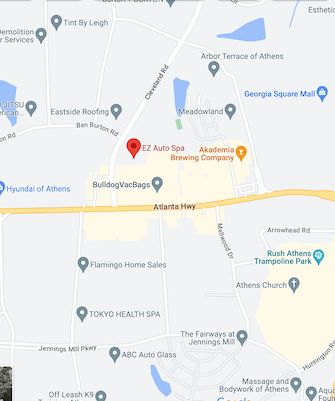
EZ Auto Spa has two locations conveniently located to serve the Metro Atlanta & Metro Athens area. We serve a wide geographic area and can work with your schedule to make your service happen.
Open Weekdays from
8:30-5:00
Call to ask any question
706-971-7867
EZ Auto Spa Duluth
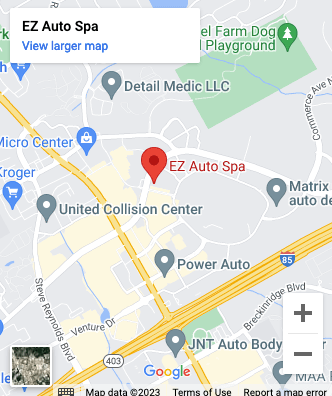
3492 Satellite Blvd #120 Duluth, GA 30096


