
Classic Car Bumper Repair for Athens & Atlanta, GA
Looking for classic car bumper repair in the Athens or Atlanta area? EZ Auto Spa specializes in paintless dent repair and comprehensive bumper restoration services that preserve the authenticity and value of your vintage vehicle. Classic cars deserve specialized care from professionals who understand their unique construction, materials, and the irreplaceable nature of original components. Whether you’re dealing with chrome bumper damage, structural dents, or surface corrosion on your prized vintage automobile, we bring the expertise and attention to detail that classic car owners demand. Our team has extensive experience working with all makes and models, from American muscle to European classics, and we understand that every restoration decision impacts both aesthetics and collector value. North Georgia’s climate presents specific challenges for classic vehicles, and we know exactly how to address the damage patterns common to cars in this region while maintaining period-correct appearance and structural integrity.
Understanding Classic Car Bumper Construction and Materials
Classic car bumpers aren’t like modern plastic fascias. They’re substantial pieces of automotive engineering, built from materials that require specialized knowledge to repair correctly. Before any repair work begins, understanding what your bumper is made of determines everything about the restoration approach.
Chrome Bumpers: The Hallmark of Vintage Automobiles
Chrome-plated steel bumpers define the aesthetic of most classic cars from the 1930s through the 1970s. That brilliant shine you remember isn’t paint, it’s a thin layer of chromium electroplated over nickel-plated steel. The process creates a durable, corrosion-resistant finish that’s stood the test of time on millions of vehicles.
But here’s what makes chrome bumper repair challenging: you can’t just hammer out a dent and touch up the finish. Any significant metalworking exposes the base steel beneath the chrome and nickel layers. Professional restoration often requires removing the bumper, carefully reshaping the steel substrate, then either polishing existing chrome (if damage is minimal) or having the piece re-plated entirely. Triple-plating, copper, nickel, then chrome, was standard for quality bumpers, and proper restoration maintains this layered protection.
Not all chrome damage requires complete re-plating, though. Surface scratches, minor pitting, and light oxidation can often be addressed through professional polishing and buffing techniques that reveal the undamaged chrome beneath. That’s where expertise matters, knowing when polishing will work and when re-plating is necessary saves you money while ensuring quality results.
Steel and Aluminum Bumpers: Durability Meets Style
Some classic vehicles, particularly European sports cars and certain American models, featured painted or bare metal bumpers. Steel bumpers offer exceptional strength but are vulnerable to rust, especially in Georgia’s humid climate. Aluminum bumpers, found on many British and Italian classics, resist corrosion better but dent more easily due to the metal’s softer nature.
Steel bumper repair follows traditional bodywork principles: dent removal, rust treatment, metal finishing, and refinishing. The advantage here is that you’re working with the same material throughout, without worrying about damaging a chrome layer. But, matching original paint formulations and finishes requires access to period-correct color references and application techniques.
Aluminum presents its own considerations. You can’t weld aluminum like steel without specialized equipment, and the metal’s memory characteristics mean it doesn’t reshape quite the same way. Heat application during repair must be carefully controlled to avoid warping or weakening the structure.
Common Types of Classic Car Bumper Damage
Classic cars accumulate battle scars over decades of use, storage, and sometimes neglect. Recognizing the type of damage you’re dealing with helps set realistic expectations for repair outcomes.
Dents, Dings, and Impact Damage
Parking lot encounters, minor collisions, and improper jack placement leave their mark on vintage bumpers. Unlike modern energy-absorbing bumpers, classic bumpers were designed as protective bars, solid metal meant to take hits. The good news? That structural integrity means most impact damage is repairable.
Small dings from shopping carts or door strikes often respond beautifully to paintless dent repair techniques when the chrome layer isn’t compromised. Larger dents that have creased the metal or damaged the chrome require more extensive metalwork. The key factor is whether the bumper has stretched beyond its elastic limit, if metal has actually torn or cracked, you’re looking at welding, sectioning, or potentially sourcing a replacement.
One challenge specific to classic cars: bumpers are often mounted directly to substantial brackets through the body structure. Impact damage sometimes bends these mounting points, creating alignment issues that won’t be visible until the bumper is removed. A thorough assessment catches these hidden problems before restoration begins.
Corrosion, Rust, and Pitting
Time and moisture are chrome’s enemies. That characteristic bubbling and flaking you see on older chrome bumpers? That’s rust forming beneath the plating, pushing outward and breaking the chrome layer. Once this process starts, it accelerates, moisture penetrates through breaks in the chrome, reaching the steel beneath.
Surface rust on exposed steel areas can be addressed through mechanical removal, chemical treatment, and proper sealing. But pitting, those small craters in the chrome surface, represents deeper corrosion that’s eaten into the base metal. Minor pitting can sometimes be minimized through aggressive polishing, though this removes material and may not be appropriate for all applications.
Georgia’s climate, with its humidity and seasonal temperature swings, makes corrosion a particular concern for classic car owners. Road salt from winter weather events accelerates the process dramatically. If your classic car has spent time in northern states before coming to Georgia, inspect carefully for hidden corrosion starting from the inside mounting surfaces.
Professional vs. DIY Bumper Repair: What Classic Car Owners Should Know
YouTube makes everything look easy. But classic car bumper repair sits at the intersection of metalworking, chemistry, and restoration ethics, and mistakes are expensive to correct.
Professional restoration starts with proper damage assessment. What looks like a simple dent might involve structural damage to mounting brackets, hidden cracks in stress areas, or corrosion that’s compromised metal integrity. Specialized tools, shrinking hammers, metal dollies, English wheels, and planishing hammers, allow precise metal shaping that’s virtually impossible with basic hand tools.
Chrome work particularly demands professional expertise. Home polishing with the wrong compounds can actually accelerate deterioration by removing too much material or creating heat that damages the chrome-nickel bond. Re-plating requires industrial facilities with proper chemical handling, multiple plating tanks, and environmental controls. There’s simply no DIY equivalent.
Cost is obviously a consideration. Professional classic car bumper repair ranges from a few hundred dollars for minor dent removal to several thousand for complete chrome re-plating with structural metalwork. But consider the alternative: improperly repaired bumpers devalue your vehicle, may fail safety inspections, and often require complete re-doing by professionals anyway.
Your time matters too. What takes a restoration shop days might take you weeks or months working around your schedule, with results that reflect your learning curve. If your classic car is your weekend driver or you’re preparing for shows and events, downtime alone justifies professional service.
There’s also the collector value consideration. Period-correct restoration methods, proper materials, and documented professional work maintain your classic car’s investment value. Future buyers, and insurance companies, look at restoration quality when assessing value. Amateur repairs, even when structurally sound, typically reduce what your vehicle’s worth.
The Classic Car Bumper Repair Process
Professional restoration follows a systematic approach that ensures quality results while respecting your vehicle’s originality.
Initial Assessment and Damage Evaluation
Comprehensive evaluation begins with the bumper still mounted. We assess alignment, identify all damage areas (including those you might not have noticed), check mounting hardware and brackets, and determine whether the bumper can be repaired in place or requires removal.
Photographic documentation creates a before-and-after record and helps explain repair recommendations. This assessment phase includes testing chrome adhesion, checking for internal corrosion not visible from outside, and identifying any previous repair work that might affect current restoration.
You’ll receive a detailed explanation of what’s needed, why specific techniques apply to your situation, and realistic timelines. Classic car work doesn’t rush, proper metalwork and chrome restoration take the time they take.
Metal Straightening and Dent Removal Techniques
For bumpers with intact chrome, paintless dent repair techniques can work wonders on minor damage. Specialized tools access the backside of bumpers to massage metal back to original contours without disturbing the surface finish. This approach preserves original chrome when possible, always preferable from both cost and authenticity perspectives.
More significant damage requires traditional metalworking: hammer and dolly work, shrinking stretched metal, welding cracks, and carefully reshaping contours. The goal is returning the bumper to factory specifications, not just making it look better, but ensuring it fits properly and maintains structural integrity.
Steel and aluminum bumpers follow similar principles but different techniques. Aluminum welding requires TIG equipment and specialized filler materials. Heat application must be carefully controlled. The metal’s different properties mean techniques that work beautifully on steel can damage aluminum.
Chrome Restoration and Re-Plating
When chrome damage exceeds what polishing can address, re-plating becomes necessary. The existing chrome and nickel layers are chemically stripped to bare steel. The metal is then meticulously polished, buffed, and prepared for plating, this prep work determines final quality more than the plating itself.
Triple-plating follows: copper first (which fills minor imperfections and provides corrosion protection), then nickel (which provides most of the shine and corrosion resistance), finally chrome (the thin outer layer that gives that brilliant, blue-tinged finish). Each layer requires specific electrical current, chemical composition, timing, and temperature control.
Quality re-plating isn’t cheap, typically running $400-$1200 per bumper depending on size and complexity. But it’s the only way to properly restore heavily damaged chrome to show-quality appearance while ensuring decades of future protection.
Protecting Your Investment: Maintenance After Repair
Professional restoration gives your classic car bumper a fresh start. Proper maintenance keeps it looking great for years to come.
Chrome care is straightforward but essential. Regular washing with mild soap removes contaminants before they can start corrosion. Dry thoroughly, standing water in seams and joints is chrome’s enemy. A quality chrome polish applied two or three times per year maintains shine and adds a protective layer against moisture and oxidation.
Avoid harsh chemicals. Modern car wash soaps are fine, but wheel cleaners, degreasers, and acidic products can damage chrome plating. If you’re using a commercial car wash, skip the acid-based wheel treatment cycle.
Wax helps, but use products specifically compatible with chrome. Some waxes contain abrasives or chemicals that can haze or dull chrome surfaces. When in doubt, ask, we’re happy to recommend products that work well with your specific bumper finish.
Storage matters tremendously for classic cars. Georgia’s humidity creates challenging conditions. If your vehicle is stored for extended periods, consider climate control or at minimum use desiccant packs and ensure good air circulation. Covering the car helps, but make sure covers are breathable, trapped moisture under non-breathable covers accelerates corrosion.
Inspect regularly. Catch small problems early. A tiny spot of surface rust addressed immediately is a five-minute fix. Ignored for months, it becomes significant corrosion requiring professional intervention. Check inside mounting areas where moisture collects, that’s where problems typically start.
For painted bumpers, regular waxing provides critical UV and moisture protection. Touch up stone chips promptly to prevent rust from starting beneath the paint. Aluminum bumpers benefit from specialized aluminum polish products that remove oxidation while protecting the surface.
Choosing the Right Specialist for Your Classic Car Bumper Repair
Your classic car deserves more than a generic body shop. Look for specialists with specific vintage vehicle experience who understand period-correct restoration methods and materials.
At EZ Auto Spa, we’ve built our reputation on quality work across all vehicle types, including high-value classics and vintage automobiles. Our expertise in paintless dent repair translates directly to chrome bumper restoration, the same precision metalworking skills, just applied to different materials and construction methods. We understand that classic car owners aren’t just fixing damage: you’re preserving automotive history and protecting significant investments.
What sets professional classic car service apart? First, proper equipment and facilities. Chrome restoration requires relationships with quality plating shops. Metal straightening demands specialized tools. Second, experience with vintage construction methods, how bumpers mounted in 1967 differs from 1955 or 1978. Third, understanding of originality versus modification, and knowing when period-correct restoration adds value versus when practical improvements make sense.
We work with all makes and models, from American muscle cars to European sports cars to vintage trucks and luxury automobiles. Whether you’re restoring a numbers-matching collectible or refreshing a driver-quality classic, we tailor our approach to your goals and budget.
Location matters too. Convenient Athens and Atlanta-area service means you’re not shipping your classic car across state lines or spending hours driving to specialists. We understand North Georgia vehicle ownership, the climate challenges, the local car culture, the balance between preservation and practical use.
Call our shop manager today for a free quote on classic car bumper repair. We’ll assess your specific situation, explain your options, and provide realistic timelines and pricing. Whether you need minor dent removal or complete chrome restoration, we deliver the quality results your classic car deserves. Schedule your appointment for expert classic car bumper repair in Athens or Atlanta, because your vintage vehicle is worth doing right.
Frequently Asked Questions
What is the difference between classic car bumper repair and modern bumper repair?
Classic car bumpers are substantial chrome-plated steel or metal bars requiring specialized metalworking, while modern bumpers are plastic fascias. Classic bumper repair demands expertise in chrome restoration, period-correct techniques, and understanding vintage construction methods that preserve authenticity and collector value.
How much does classic car bumper chrome re-plating typically cost?
Professional chrome re-plating typically costs $400-$1200 per bumper depending on size and complexity. The process involves stripping existing chrome, polishing the base metal, then applying triple-plating layers of copper, nickel, and chrome to restore show-quality appearance and corrosion protection.
Can all chrome bumper dents be repaired without re-plating?
Not all dents require re-plating. Minor dings and surface damage with intact chrome often respond to paintless dent repair or professional polishing. However, significant dents that crease metal or break the chrome layer typically need complete re-plating after metalwork to restore proper appearance.
How do I prevent rust on my classic car bumper after repair?
Regular washing with mild soap, thorough drying, and applying quality chrome polish two to three times yearly protects against corrosion. Avoid harsh chemicals, ensure proper storage with good air circulation, and inspect mounting areas regularly to catch moisture-related problems early.
Is DIY classic car bumper repair recommended for beginners?
DIY bumper repair is generally not recommended for classic cars. Professional restoration requires specialized tools, chrome expertise, and knowledge of vintage metalworking techniques. Amateur repairs can devalue your vehicle, damage irreplaceable components, and often require costly professional correction later.
What are the signs that a classic car bumper needs professional restoration?
Key signs include chrome bubbling or flaking indicating rust beneath plating, visible dents or creases, pitting craters in the surface, alignment issues, or corrosion on mounting brackets. Hidden damage to internal structures often requires professional assessment to identify before restoration begins.
Serving Atlanta + Athens
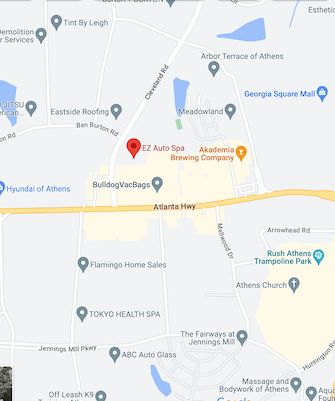
EZ Auto Spa has two locations conveniently located to serve the Metro Atlanta & Metro Athens area. We serve a wide geographic area and can work with your schedule to make your service happen.
Open Weekdays from
8:30-5:00
Call to ask any question
706-971-7867
EZ Auto Spa Duluth
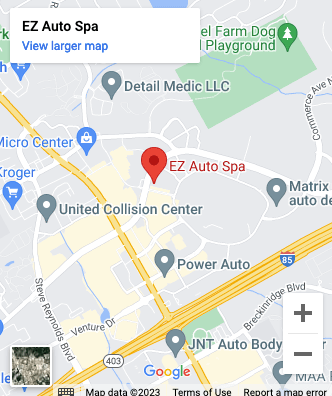
3492 Satellite Blvd #120 Duluth, GA 30096
